
Rhinoplasty Vancouver
Rhinoplasty Vancouver is your premier destination for cosmetic nose surgery near you in Vancouver, BC.
If you are considering aesthetic refinement of your nasal profile or require functional reconstruction to improve your breathing, understanding your options is the first step.
Our personalized approach to rhinoplasty in the lower mainland, British Columbia prioritizes long-term results and predictable, natural-looking outcomes.
Cosmetic and Functional Nose Surgery in Vancouver, BC
Rhinoplasty in Vancouver can reshape your nose, improve facial balance, and address certain breathing problems. Often called a nose job, this surgery changes the bone and cartilage that give your nose its shape.
Your treatment should reflect what matters to you, whether that means smoothing a bump, refining the tip, or keeping the features that make you look like yourself.
What Can Rhinoplasty in Vancouver Address?
Rhinoplasty in Vancouver can address the shape, size, and structure of your nose. Depending on your needs, surgery may:
- Reduce a dorsal hump, the bump along the bridge.
- Refine a wide, rounded, or drooping nasal tip.
- Adjust how far the nose projects from the face.
- Narrow the bridge or reduce nostril width.
- Improve a crooked nose or changes caused by an old injury.
- Repair structural problems that restrict airflow.
A good plan considers your nose from the front, side, and below. It also accounts for your chin, cheeks, skin thickness, and nasal support. Perfect symmetry is not a realistic goal, and making a nose smaller should not come at the cost of healthy breathing.
Rhinoplasty Options in Vancouver
The right approach to rhinoplasty in Vancouver depends on your nasal structure, breathing, and desired changes.
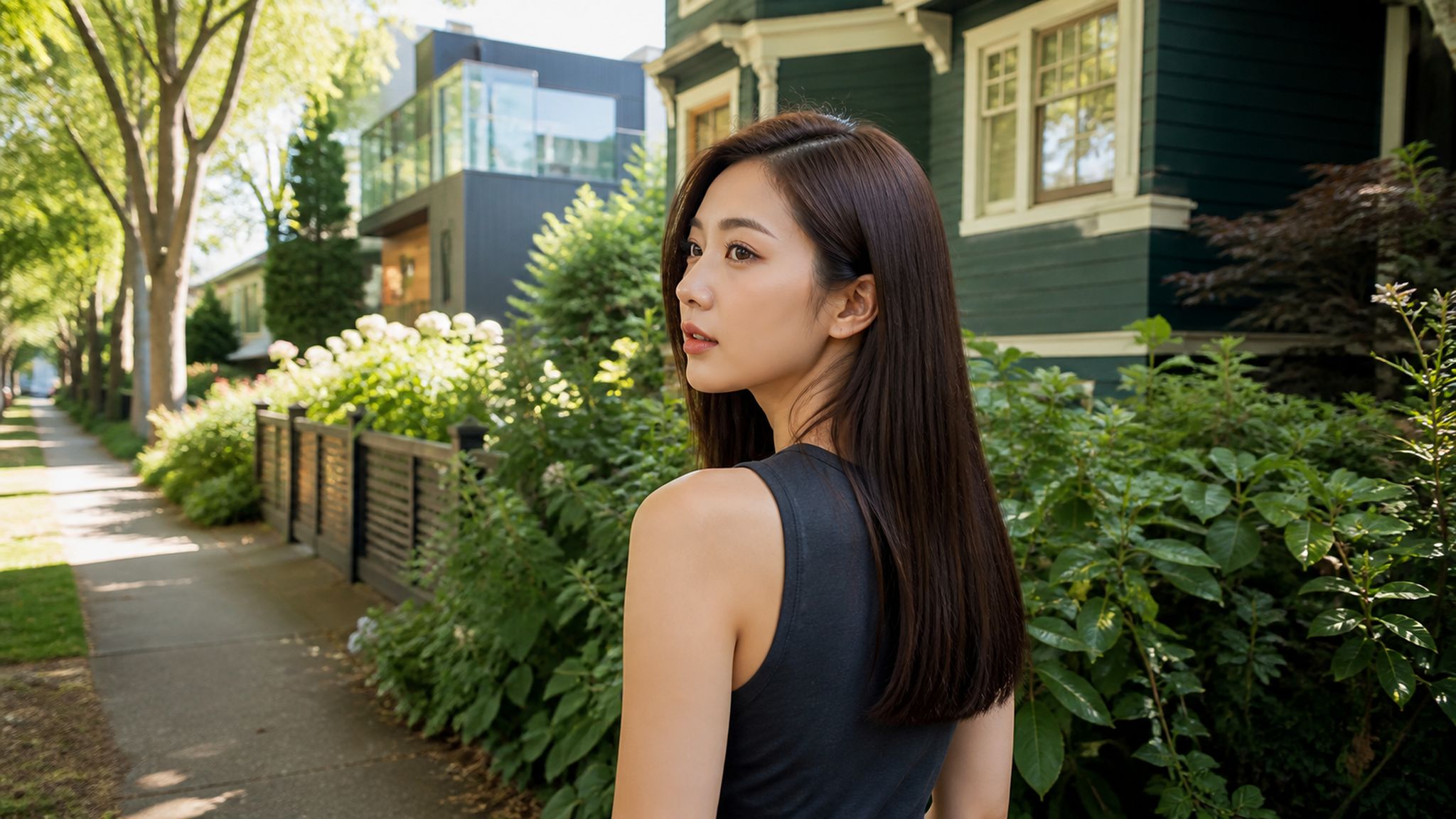
Asian Rhinoplasty in Vancouver, BC
Asian Nose Jobs in Vancouver, British Columbia Asian rhinoplasty in Vancouver is a specialized nose surgery designed around the unique anatomy of East Asian, Southeast Asian, and South Asian noses. The goal is not to erase your heritage. Most patients want a bridge with more height, a tip with more definition, and nostrils that sit
Closed Rhinoplasty in Vancouver, BC
Closed rhinoplasty in Vancouver appeals to a lot of patients for one simple reason: every incision stays hidden inside the nostrils, so there’s no external scar at all. Closed rhinoplasty often called endonasal rhinoplasty, and for the right nose it delivers excellent results with less swelling and a faster return to looking like yourself. This
Ethnic Rhinoplasty in Vancouver, BC
Ethnic rhinoplasty in Vancouver is nose surgery that reshapes the nose while keeping the features that connect you to your heritage. It is not about making one nose look like another. It is about balance, breathing, and a result that still looks like you when you see family at a wedding in Surrey or meet
Functional Rhinoplasty in Vancouver, BC
Functional rhinoplasty in Vancouver is nasal surgery that fixes how you breathe, not just how your nose looks. If you have spent years mouth-breathing at night, sleeping poorly, or feeling like one nostril is always blocked, the problem is usually structural. Sprays and strips can only do so much when the framework inside your nose
Non-Surgical Rhinoplasty in Vancouver, BC
Liquid Rhinoplasty in Vancouver, British Columbia Non-surgical rhinoplasty in Vancouver reshapes the nose with injectable hyaluronic acid dermal filler instead of surgery, usually in under 30 minutes and with no general anesthetic. Patients often call it a liquid nose job, a 15-minute nose job, or nose filler. The goal is to smooth, balance, and refine

Open Rhinoplasty in Vancouver
Open rhinoplasty in Vancouver is one of the most requested facial procedures in the city, and for good reason: it gives a surgeon direct, unobstructed access to the framework of your nose so they can reshape it with a high degree of precision. If you’ve been researching nose surgery and keep running into the terms
Preservation Rhinoplasty in Vancouver, BC
Preservation rhinoplasty in Vancouver has become one of the most requested nose surgery techniques for people who want a refined profile that still looks like their own nose. Instead of removing the bridge and rebuilding it, a preservation approach lowers the existing bridge as one intact piece and keeps the natural anatomy underneath. The result
Revision Rhinoplasty in Vancouver, BC
Revision Nose Surgery in Vancouver, British Columbia Revision rhinoplasty in Vancouver is a second (or sometimes third) nose surgery performed to correct breathing problems, structural weakness, or cosmetic results left behind by a previous rhinoplasty. Secondary nose surgery is widely considered one of the most technically demanding procedures in facial plastic surgery, because the surgeon
Septorhinoplasty in Vancouver, BC
Septorhinoplasty in Vancouver, British Columba Septorhinoplasty in Vancouver is a single operation that straightens the inside of your nose so you breathe easier and reshapes the outside so it suits your face. Surgeons combine the two because they are usually the same underlying problem. A nose that looks crooked from the front is very often
Ultrasonic Rhinoplasty in Vancouver, BC
Ultrasonic rhinoplasty in Vancouver is a modern approach to nose reshaping that uses high-frequency sound waves, rather than a mallet and chisel, to sculpt the nasal bones. Surgeons often call ultrasonic rhinoplasty piezo rhinoplasty, after the piezoelectric handpiece that powers it. The appeal is precision: the instrument shaves and cuts bone while leaving nearby skin,
Who Is a Good Candidate for Rhinoplasty in Vancouver?
You may be a candidate for rhinoplasty in Vancouver if your facial growth is complete, you are in good health, and you have clear, realistic goals. Your decision should come from your own wishes.
Your surgeon will review your medical history, breathing symptoms, past nose injuries, and any previous surgery or filler. Smoking, vaping, and nicotine use also matter because they can affect healing.
For younger patients, age alone does not determine readiness. Facial growth, emotional maturity, and the ability to understand surgery and recovery all need careful assessment.
Your Rhinoplasty Consultation and Surgery
A consultation for rhinoplasty in Vancouver should leave you with a clear plan and time to consider your options.
- Discuss your goals. Explain what bothers you and any problems with breathing.
- Have a nasal assessment. Your surgeon checks the skin, bone, cartilage, septum, and airway.
- Review possible results. Photos and, when available, computer imaging can support the discussion. Simulations cannot guarantee an outcome.
- Understand the details. Review the procedure, risks, fees, recovery, and follow-up care.
Before surgery, share all medicines, supplements, allergies, and nicotine or cannabis use. Follow the team’s instructions about fasting and medicine changes. Do not stop prescribed medicines on your own.
Rhinoplasty often takes a few hours, though complex cases can take longer. General anaesthesia or sedation may be used, depending on the plan. Many patients go home the same day. Arrange for a responsible adult to take you home and stay with you as instructed.
Rhinoplasty Recovery in Vancouver
Plan for both early downtime and gradual healing after rhinoplasty in Vancouver. Your surgeon’s instructions should guide your return to work, exercise, and travel.
- First week: Expect swelling, bruising, stuffiness, and some discomfort. A splint may protect your nose. Rest with your head raised and attend your early follow-up visit.
- Weeks one to two: Bruising often improves enough to return to desk work or school. Some people need more time, especially for physical jobs.
- Following weeks: Activity increases as healing allows. Avoid pressure on your nose, heavy lifting, and strenuous workouts until cleared.
- Following months: Swelling continues to settle. The tip may take longer to show its final shape. Results often take about a year to refine, sometimes longer.
Ask when you can wear glasses, blow your nose, and return to swimming or contact sports. A short walk and a North Shore hike place very different demands on your recovery.
If you are flying through Vancouver International Airport (YVR) or travelling by BC Ferries, confirm how long to stay nearby before booking your return trip.
Rhinoplasty Risks and Safety
Before choosing rhinoplasty in Vancouver, understand both the likely benefits and possible complications.
Risks include bleeding, infection, anaesthesia reactions, poor healing, visible scars, numbness, uneven results, and persistent or worse breathing problems. A hole in the septum is another possible complication. Further surgery may be needed.
Contact your surgical team promptly for worsening pain, fever, increasing redness, or heavy bleeding. Seek emergency care for severe trouble breathing, chest pain, or sudden vision changes.
Rhinoplasty Cost in Vancouver and MSP Coverage
The cost of rhinoplasty in Vancouver depends on the scope of surgery, surgeon, anaesthesia, and facility. Published local estimates span roughly $8,000 to $25,000 CAD or more. This is a broad planning range, not a personal quote. Revision surgery and major reconstruction may cost more.
Ask for a written breakdown that covers:
- Surgeon, anaesthesia, and surgical facility fees.
- Consultation fees and any applicable taxes.
- Follow-up visits, medicines, and supplies.
- Policies and potential fees for further treatment or revision.
BC’s Medical Services Plan (MSP) does not cover surgery done only for cosmetic reasons. Medically necessary treatment for nasal obstruction may qualify for coverage after assessment. Combining functional and cosmetic surgery does not make the cosmetic portion covered. Confirm eligibility and private charges before booking.
Choosing a Rhinoplasty Surgeon in Vancouver, BC
When comparing surgeons for rhinoplasty in Vancouver, look for relevant specialist training and experience with noses similar to yours.
Verify the surgeon’s licence and listed qualifications through the College of Physicians and Surgeons of BC (CPSBC). Ask about specialist certification through the Royal College of Physicians and Surgeons of Canada, along with specific training in nose surgery.
Review before-and-after photos with similar lighting, angles, and enough time for healing. Ask how the surgeon protects breathing and manages complications. Confirm that surgery takes place in a hospital or an appropriately accredited surgical facility.
Request a consultation to discuss your goals, review your options, and receive a personalized treatment plan.

Frequently Asked Questions About Rhinoplasty in Vancouver
These answers cover common questions about rhinoplasty in Vancouver, from costs and coverage to scars and long-term results.
1. How Much Does Rhinoplasty in Vancouver Cost?
Published Vancouver estimates range from about $8,000 to $25,000 CAD or more, but your quote depends on the work required. Revision surgery and cartilage grafting can increase costs. Ask whether anaesthesia, facility fees, taxes, and follow-up care are included so you can compare quotes fairly.
2. Does MSP Cover Rhinoplasty in Vancouver?
MSP does not cover rhinoplasty performed only to change your appearance. Treatment for a documented medical problem, such as nasal obstruction, may be covered if it meets provincial requirements. Your surgeon must assess the cause and proposed treatment. Any cosmetic changes usually remain a separate private expense.
3. How Long Is Recovery After Rhinoplasty?
Many patients allow one to two weeks away from desk work or school after rhinoplasty. Physical work and strenuous exercise may require longer restrictions. Early bruising usually improves before all swelling resolves. Plan major events with this in mind, since your nose may keep changing for a year or longer.
4. How Do I Choose a Rhinoplasty Surgeon in Vancouver?
Start by checking the surgeon’s licence and qualifications through CPSBC. Then ask about experience with your concerns, including breathing problems or previous surgery. Review healed results from similar cases. A useful consultation should explain realistic options, risks, facility accreditation, and who will provide care if a problem develops.
5. Can Rhinoplasty Improve Breathing and Appearance Together?
Yes, when the treatment plan addresses both goals. Septorhinoplasty combines reshaping with work on the septum, while other techniques may support narrowed nasal valves. An examination is essential because congestion can also come from allergies or swollen tissues. Cosmetic rhinoplasty alone does not guarantee better breathing.
6. Is Rhinoplasty Painful?
You receive anaesthesia during rhinoplasty. Afterward, your nose may feel sore, blocked, or tight, with swelling and bruising around the eyes. Your care team will provide a pain-control plan. Pain should generally ease as you heal. Severe or increasing pain needs a prompt call to your surgeon.
7. Will Rhinoplasty Leave Visible Scars?
Open rhinoplasty leaves a small scar across the skin between the nostrils, which often fades with healing. Closed rhinoplasty places incisions inside the nose. Nostril reduction can add scars near the nostril edges. Scar visibility depends on the technique, your skin, healing, and aftercare. No surgeon can promise invisible scars.
8. Will My Rhinoplasty Look Natural, and How Long Will It Last?
Natural-looking results depend on fitting the changes to your face and preserving enough support. Share which features you want to keep as well as change. Rhinoplasty creates lasting structural changes, but your nose will still age. Skin thickness and healing affect the result, and perfect symmetry cannot be promised.
9. Can Non-Surgical Rhinoplasty Replace Nose Surgery?
Non-surgical rhinoplasty uses filler to add volume and disguise some contour concerns. It cannot make the nose smaller or correct a deviated septum. Results are usually temporary. Nose filler also carries serious risks, including blocked blood vessels, skin damage, and vision loss, so it requires careful medical assessment.
10. When Can I Have Revision Rhinoplasty?
Surgeons often wait at least 12 months after the first rhinoplasty before planning an elective revision. This allows swelling to settle and tissues to heal. Some cases need longer. Breathing problems, infection, or other urgent concerns should be assessed sooner rather than waiting for that milestone.
Book a Consultation Today
Service Areas
Planning rhinoplasty in Vancouver includes making time for consultations and follow-up care. Nearby Metro Vancouver communities and neighbourhoods include:
- Vancouver: Downtown, West End, Coal Harbour, Yaletown, Kitsilano, Fairview, Mount Pleasant, Kerrisdale, Shaughnessy, Dunbar, and East Vancouver.
- Burnaby: Metrotown, Brentwood, and the Lougheed area.
- Richmond: City Centre and Steveston.
- North Vancouver: Lower Lonsdale, Lynn Valley, and Deep Cove.
- West Vancouver: Ambleside, Dundarave, and Horseshoe Bay.
- New Westminster: Downtown and Queensborough.
- Surrey: City Centre, Guildford, Fleetwood, and South Surrey.
- Delta: Ladner, Tsawwassen, and North Delta.
- Tri-Cities: Coquitlam, Port Coquitlam, and Port Moody.
- Langley: Langley City, Willoughby, Walnut Grove, and Fort Langley.
- White Rock, Pitt Meadows, and Maple Ridge.
https://maps.app.goo.gl/rNwKNbhLhYdrhbqD9
Looking for Rhinoplasty near me in Vancouver, BC?
Rhinoplasty Vancouver serves residents in Vancouver, Burnaby, Coquitlam, Port Coquitlam, New Westminster, Richmond, Surrey, Delta, Abbotsford, Kelowna, Kamloops, Chilliwack, Maple Ridge, Prince George, Victoria, Nanaimo, North Vancouver, West Vancouver, in the lower mainland, British Columbia, Canada.
